


Your Guide to Car Detailing Steps
- Anthony Fluehr
- Aug 18, 2025
- 4 min read

Keeping your vehicle looking its best requires more than just a quick wash. A thorough vehicle detailing process can restore your car’s shine, protect its surfaces, and maintain its value. Whether you own a brand-new car or a well-loved vehicle, understanding the steps involved in detailing can help you achieve professional results at home or know what to expect when you visit a detailer.
Understanding the Vehicle Detailing Process
Vehicle detailing is a comprehensive cleaning and restoration of both the interior and exterior of your car. Unlike a simple car wash, detailing involves meticulous attention to every part of the vehicle, from the paintwork to the carpets. The goal is to bring your car back to a like-new condition or maintain its current state.
The exterior detailing process typically includes washing, claying, polishing, and waxing. Each step serves a specific purpose:
Washing removes dirt, grime, and contaminants.
Claying eliminates embedded particles that washing alone cannot remove.
Polishing corrects paint imperfections like swirl marks and scratches.
Waxing adds a protective layer and enhances shine.
Interior detailing focuses on cleaning and conditioning surfaces such as leather, vinyl, fabric, and plastic. This includes vacuuming, shampooing carpets, cleaning windows, and treating odors.

Car polishing restores the paint’s smoothness and shine
Essential Vehicle Detailing Process Steps
To achieve a professional finish, follow these essential steps in the vehicle detailing process:
1. Pre-Wash and Rinse
Start by rinsing the car with water to remove loose dirt and debris. This prevents scratching the paint during washing.
2. Washing
Use a high-quality car shampoo and a microfiber wash mitt to clean the vehicle. Work from top to bottom to avoid spreading dirt.
3. Decontamination with Clay Bar
After washing, use a clay bar to remove bonded contaminants like tar, tree sap, and industrial fallout. This step ensures the surface is perfectly smooth.
4. Paint Correction and Polishing
Inspect the paint for imperfections. Use a dual-action polisher with the appropriate polish to remove swirl marks, scratches, and oxidation.
5. Waxing or Sealing
Apply a wax or paint sealant to protect the paint and enhance gloss. This layer acts as a shield against UV rays and environmental damage.
6. Wheel and Tire Cleaning
Clean wheels with a dedicated wheel cleaner and brush. Dress tires with a tire shine product to restore their black finish.
7. Interior Cleaning
Vacuum carpets and seats thoroughly. Use upholstery cleaner or leather conditioner depending on the material. Clean all surfaces including dashboard, door panels, and windows.
8. Final Touches
Check for missed spots, clean glass inside and out, and ensure all surfaces are dry and streak-free.
Following these steps carefully will give your vehicle a showroom-quality finish. For those who prefer professional help, you can explore detailed car detailing steps offered by experts.
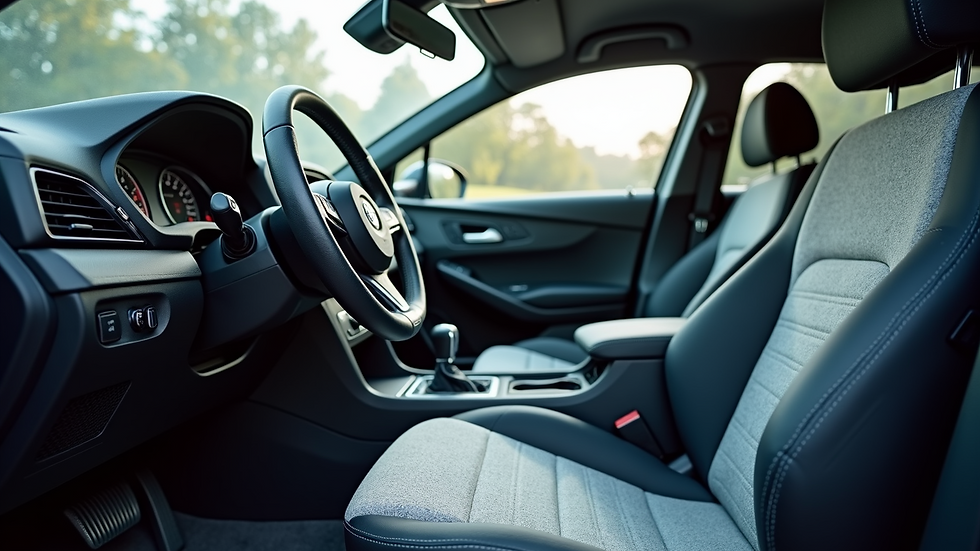
Interior detailing includes deep cleaning and conditioning of all surfaces
What is 3 Steps Detailing?
The term "3 steps detailing" refers to a simplified but effective approach to exterior car detailing. It focuses on three main stages:
Washing and Decontamination - Thoroughly cleaning the vehicle and removing contaminants.
Polishing - Correcting paint imperfections to restore clarity and gloss.
Waxing or Sealing - Applying a protective layer to maintain the finish.
This method is popular because it balances time, cost, and results. It’s ideal for car owners who want a professional look without the complexity of full detailing. The 3 steps can be done at home with the right tools or by a professional detailer.

Washing is the first step in the 3 steps detailing process
Tips for Effective Vehicle Detailing at Home
Detailing your vehicle at home can be rewarding and cost-effective if done correctly. Here are some practical tips:
Use the right products: Invest in quality car shampoos, polishes, and microfiber towels.
Work in shade: Avoid direct sunlight to prevent water spots and product drying too fast.
Be gentle: Use soft mitts and brushes to avoid scratching surfaces.
Take your time: Rushing can lead to missed spots or damage.
Protect yourself: Wear gloves and work in a well-ventilated area when using chemicals.
Regular detailing not only keeps your car looking great but also protects it from long-term damage caused by dirt, UV rays, and pollutants.
Maintaining Your Vehicle’s Appearance Between Details
After a full detail, maintaining your vehicle’s appearance is easier with some simple habits:
Regular washing: Wash your car every two weeks to prevent buildup.
Quick clean-ups: Use detail sprays for spot cleaning between washes.
Protect interior: Use sunshades and clean spills immediately.
Check tires and wheels: Clean and dress tires regularly to keep them looking fresh.
By following these maintenance tips, you can extend the life of your detailing work and keep your vehicle looking its best year-round.
Taking the time to understand and perform the vehicle detailing process can transform your car’s appearance and protect your investment. Whether you choose to detail your vehicle yourself or hire a professional, knowing the right steps ensures the best results. For a thorough and professional exterior detail, consider exploring the car detailing steps offered by experts to keep your vehicle shining like new.


Comments